
Obstetrics



 Natural and Self-Determined BirthBirth as a Life-Changing ExperiencePain Relief During LabourBonding After Birth and the Beginning of Family LifeBreastfeeding After Birth
Pregnancy and childbirth reflect both the remarkable capabilities of the female body and a deeply personal stage of life.
Fundamentally, the body is designed to give birth. I believe that childbirth is a natural process which, in most cases, does not require unnecessary intervention.
For me, modern obstetric care means combining the wish for a natural and selfdetermined birth with current evidence-based medical recommendations in order to support both your autonomy and your safety.
I create space for my patients to ask questions and support them throughout every stage: before birth, during labour and in the time afterwards.
A natural birth raises many very personal questions for expectant mothers:
What happens during labour? How much control will I have? How can I cope with pain? And what happens if medical intervention becomes necessary?
Many women wish to give birth naturally while simultaneously worrying that they may not be able to manage the experience or trust their own body. Towards the end of pregnancy in particular, concerns often arise about whether a low-intervention birth is realistically possible within the context of one’s own anatomy, physical endurance and pain perception.
Within obstetric care, it is important to me that these questions are addressed openly and early.
A self-determined birth does not begin spontaneously in the delivery suite — it begins with understanding and preparation:
What happens within the body? Which options are available? Which decisions can you make yourself?
Topics such as natural methods of labour induction or natural ways to support labour progression can also be discussed in advance.
Whether a caesarean birth or a vaginal birth is medically advisable cannot be answered in general terms; it always depends on the individual medical situation. In most cases, vaginal birth represents the natural and medically preferred pathway.
A caesarean section is recommended when risks to the mother or baby arise or when labour progresses in a way that no longer allows safe continuation of vaginal birth.
A vaginal birth after caesarean (VBAC) is often possible. This depends on specific medical criteria being met and the absence of increased risk factors.
Whether this pathway is suitable for you will be carefully assessed and discussed in advance.
A self-determined birth does not mean there is only one “right” way to give birth.
Whether you choose a natural vaginal birth or a caesarean section, what matters most is that you fully understand both approaches and are able to make an informed decision.
I support you in weighing up options, clarifying uncertainties and gaining confidence.
Medical recommendations are an important part of decision-making — but the central question is always which path feels right for you personally.
I understand childbirth as a profound biographical experience that can shape self-image, represent an emotional turning point and mark the beginning of a new stage of life.
A supportive environment, continuous care and genuine involvement in decision-making contribute significantly to a positive birth experience.
Every woman experiences labour pain differently. The key question is therefore not whether pain is “normal” or “avoidable”, but how you personally wish to approach it.
I do not see pain relief during labour as the opposite of natural birth, but rather as part of an individual and self-determined birth journey.
Whether you wish to labour without medication or consciously choose medical pain relief is entirely a personal decision. There are many different ways to support pain management during labour, ranging from supportive techniques to medical approaches.
Pain relief also plays an important role during caesarean birth. An epidural or spinal anaesthetic allows the procedure to take place painlessly while you remain awake and present.
It is important to understand both the advantages and possible disadvantages of an epidural beforehand. While epidurals provide highly effective pain relief, they may also influence mobility and aspects of labour progression.
For this reason, I encourage women to familiarise themselves with the available options early on. This allows you to make decisions during labour that feel appropriate for your situation and to adapt those decisions at any stage if needed.
Actively involving a partner or trusted support person during pregnancy can help childbirth feel like a shared and meaningful experience.
The first hours and days after birth are irreplaceable for bonding.
Immediate skin-to-skin contact after vaginal birth — and also after caesarean birth — supports emotional attachment, helps stabilise the newborn and strengthens parental confidence in the transition to family life.

Breastfeeding after birth also creates valuable bonding experiences through skin contact, eye contact and calm interaction, helping your baby feel safe, secure and emotionally connected.
In most cases, the first breastfeed happens naturally and intuitively soon after birth. If you wish, your midwife will support and guide you through these first breastfeeding experiences.
Breastfeeding after caesarean birth is also both possible and beneficial. With gentle support, breastfeeding can usually begin within the first hours after surgery, although positioning may need to be adjusted slightly because of the abdominal wound.
Babies should ideally be exclusively or predominantly breastfed during the first six months of life. Continued breastfeeding alongside complementary foods remains beneficial beyond the first year.
To support breastfeeding successfully, women require not only encouragement from partners and families, but also broader societal and political support — including better compatibility between work and breastfeeding and a genuinely breastfeeding-friendly culture.
Every pregnancy and every birth experience is unique. This makes individualised care all the more important — combining medical expertise with sensitivity to personal needs and wishes.
It matters to me that you feel seen and supported with your questions, concerns and expectations.
Through personal discussion, we will explore which options are available and which pathway feels right for you — medically sound, evidence-based and always centred around what matters most to you personally.
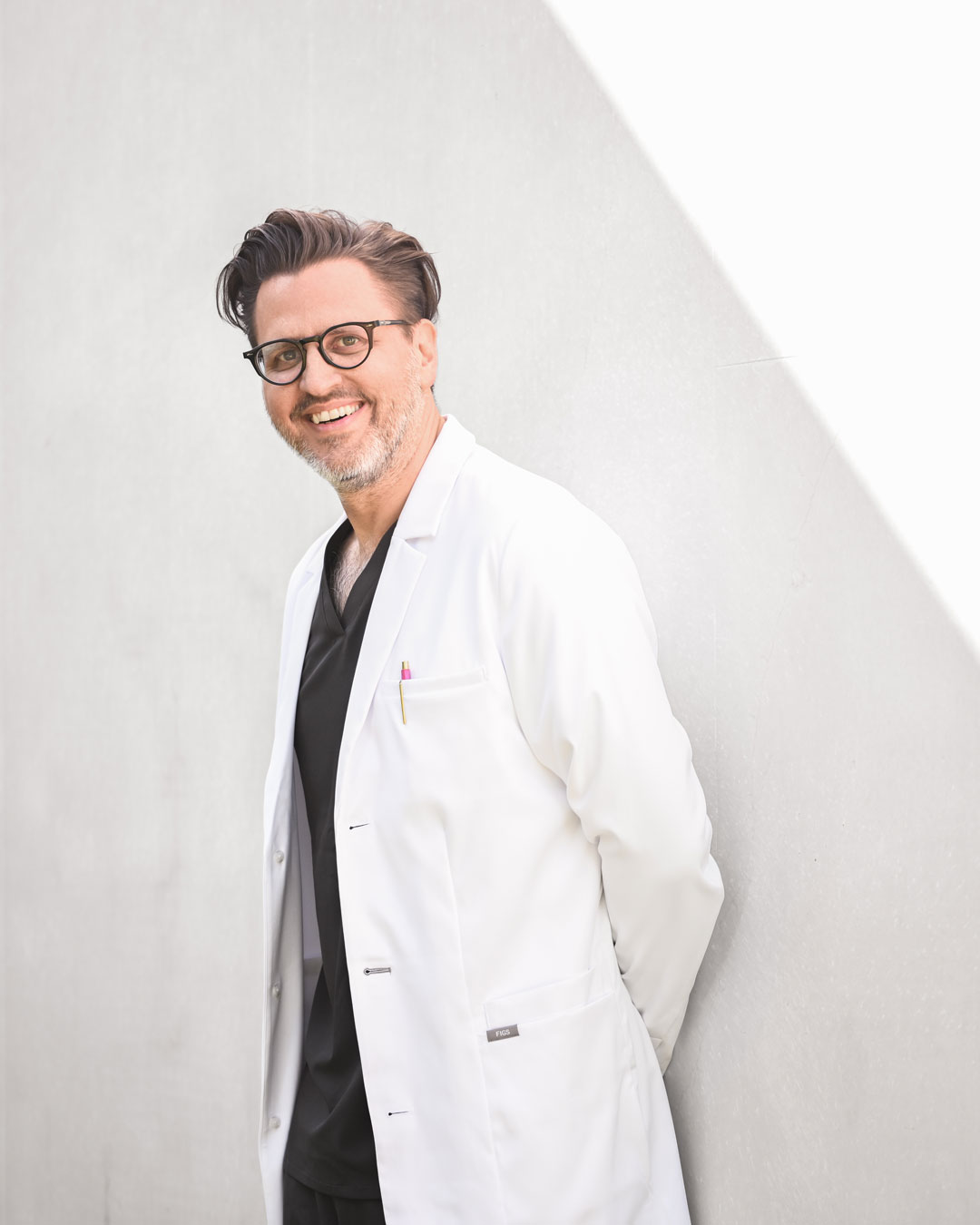
Dr. med. Stefan Ollig
Specialist in Gynaecology and Obstetrics
